
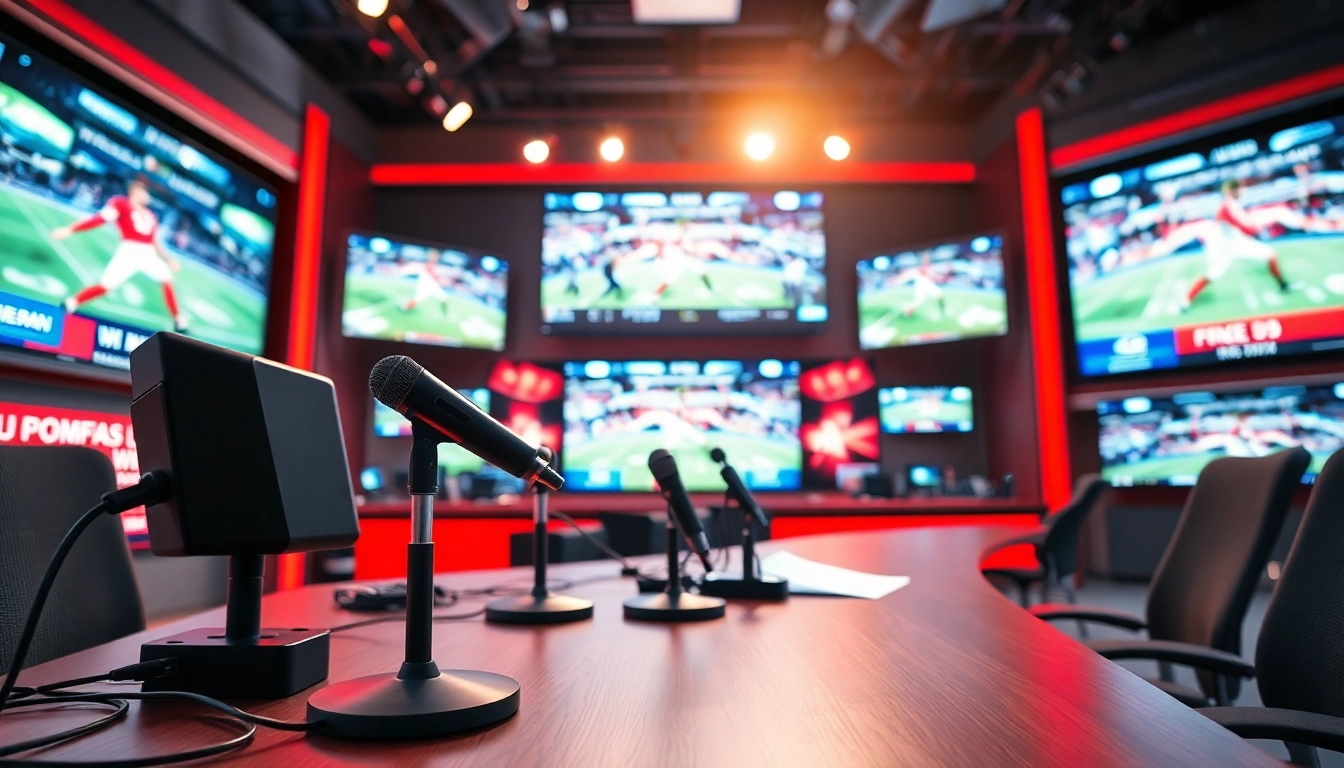
Understanding the Landscape of Sports Broadcasting
The realm of Sports Broadcasting has undergone significant changes, evolving from simple radio broadcasts to a multifaceted industry that encompasses television, online streaming, and social media. This evolution reflects broader technological advancements and shifts in consumer preferences, setting the stage for a dynamic environment ripe for innovation and engagement.
The Evolution of Sports Broadcasting
Sports broadcasting has dramatically transformed since its inception. Initially, sports commentary was confined to radio frequencies, allowing fans to experience games through vivid descriptions. As television technology matured in the mid-20th century, broadcasts became visual, drawing larger audiences and creating a paradigm shift in fan engagement.
In the 1980s and 1990s, cable television surged, introducing dedicated sports channels that provided comprehensive coverage. The 21st century saw the introduction of the internet and mobile streaming, revolutionizing access and engagement, as fans could now watch live games anywhere, anytime. Beyond just providing highlights, broadcasters began to explore interactive and immersive experiences, integrating technology like augmented reality and virtual reality.
Key Players in the Industry
The sports broadcasting landscape consists of various players, including traditional networks, cable channels, and emerging digital platforms. Major networks have historically dominated programming, often swooping in to secure broadcasting rights for popular events. However, streaming platforms are increasingly challenging their dominance by offering flexible viewing options and exclusive content.
Notably, partnerships between technology companies and sports leagues have sparked new dynamics, reshaping how content is created and distributed. Sports teams themselves are becoming media companies, leveraging their platforms to broadcast content directly to fans, creating a more direct relationship and offering tailored experiences.
Current Trends Shaping Broadcasting
With the landscape constantly changing, several trends are shaping the future of sports broadcasting. Enhanced personalization using data analytics helps tailor content based on viewer preferences. Additionally, the rise of mobile viewing is prompting networks to invest in mobile-first strategies, ensuring optimal experiences across devices.
Another trend is the integration of social media, where highlights and commentary are shared in real-time, extending engagement beyond traditional broadcasts. E-sports also pose a unique challenge to traditional sports by capturing younger audiences. Broadcasters are recognizing this trend, expanding their coverage to include competitive gaming events, ultimately broadening the definition of sports broadcasting.
Essential Equipment for Sports Broadcasting
Broadcasting Technology and Tools
Effective sports broadcasting relies heavily on advanced technology and tools. From cameras that capture high-definition video to microphones that ensure clear sound, the equipment used must meet professional standards. These tools not only enhance the quality of the broadcast but also improve the storytelling aspect of sports programming.
For live broadcasts, low-latency video equipment is essential to prevent delays, ensuring that viewers receive real-time experiences. The use of drones for aerial shots and robotic cameras has also found a place in modern sports broadcasting, offering unique perspectives that enhance the viewing experience.
Choosing the Right Cameras and Sound Equipment
Selecting the appropriate cameras and sound equipment is crucial for delivering high-quality broadcasts. Cameras should support high definition or even 4K resolution for detailed imagery. In addition to basic camera setups, specialized equipment like zoom lenses, stabilizers, and gimbals can significantly enhance footage by providing smooth, dynamic shots.
Sound is equally important; high-quality microphones are necessary to capture player commentary and crowd reactions. Many broadcasters utilize a combination of lavalier, shotgun, and ambient microphones to ensure an enriched audio experience. Investing in reliable sound mixing consoles can help deliver clear audio, enhancing the broadcast's overall quality.
Setting Up a Professional Studio
Establishing a professional studio for sports broadcasting is essential for producing polished content. A studio should be equipped with video switchers, graphics machines, and broadcast computers to facilitate seamless production. Acoustics must also be a consideration; soundproofing will reduce background noise and improve audio quality.
Proper lighting is critical to achieve the right visual impact, especially for video content. Softboxes, LED lights, and other lighting equipment can help create a desirable atmosphere, emphasizing the key aspects of the broadcast. A well-designed control room further enhances efficiency, allowing technicians to monitor and manage multiple feeds simultaneously.
Creating Compelling Content for Sports Broadcasting
Storytelling Techniques in Sports
At the heart of engaging sports broadcasts is the art of storytelling. Successful sports broadcasters are adept at weaving narratives that resonate with audiences. This can be achieved by focusing on player backgrounds, team rivalries, and significant game moments, building emotional connections between fans and the content.
The use of flashbacks, interviews, and behind-the-scenes footage enriches the storytelling experience. By providing viewers with insights into the athletes' lives and the stakes of the game, broadcasters can create a dramatic narrative that enhances the excitement and engagement of live events.
Engaging Your Audience Through Commentary
Effective commentary is vital for engaging viewers during sports broadcasts. Commentators should provide real-time analysis and insights that enhance viewers' understanding of the gameplay. Utilizing techniques such as play-by-play commentary and color analysis can make broadcasts more interesting and educational.
Moreover, commentators must be relatable, using storytelling to highlight fascinating tidbits about the players and teams. Engaging audiences on an emotional level can transform ordinary broadcasts into memorable experiences.
Using Social Media to Enhance Broadcasts
Social media serves as an invaluable tool for enhancing sports broadcasts. Broadcasters can leverage platforms like Twitter, Facebook, and Instagram to share real-time updates, highlights, and fan interactions. Engaging with viewers on social media creates additional touchpoints for interaction, drawing them deeper into the live experience.
Incorporating viewer-generated content, such as tweets or comments during broadcasts, adds a layer of authenticity, encouraging fans to engage more actively with the event and its narratives. This strategy fosters a sense of community among viewers, making them feel like part of the action.
Viewership Metrics and Performance Analysis
Key Metrics for Evaluating Success
Understanding viewership metrics is critical for evaluating the success of sports broadcasts. Key metrics include viewer ratings, reach, engagement rates, and audience retention. Viewer ratings provide insights into how many people are watching, while reach represents the total audience exposed to the broadcast.
Engagement rates focus on how actively viewers interacted with the content, through social media shares, comments, or participation in polls. Audience retention reveals how long viewers remained engaged, providing essential feedback on the effectiveness of the broadcast and areas needing improvement.
How to Adjust Strategies Based on Analytics
Analyzing viewership metrics allows broadcasters to refine their strategies continually. For instance, if audience retention drops after a particular segment, broadcasters can examine the content or presentation style and adjust accordingly. A/B testing different commentary styles or integrating interactive elements can yield insights into viewer preferences.
Cross-referencing engagement data with demographics can help tailor content to resonate with target audiences. Ultimately, continuously adjusting strategies based on analytics leads to more effective broadcasts and increases viewer satisfaction.
Tools for Audience Engagement Analysis
Various tools facilitate audience engagement analysis, providing valuable insights for sports broadcasters. Analytics platforms can gather data on viewer interactions across multiple channels, delivering comprehensive reports on engagement trends over time.
Social media listening tools allow broadcasters to track conversations around their content, identifying which topics resonate most with audiences. By monitoring sentiment analysis, broadcasters can understand audience reactions and adjust content strategies accordingly, ultimately enhancing the overall viewer experience.
Future of Sports Broadcasting
The Impact of Streaming Services
The rise of streaming services has significantly influenced the sports broadcasting landscape. Services like OTT platforms are offering viewers flexibility and personalization previously unavailable in traditional broadcasting. They enable fans to watch live events on multiple devices, further enhancing the accessibility of sports content.
This shift is leading to significant explorations of alternative pricing models, directly impacting how sports content is monetized. As networks adapt to this trend, they must continuously innovate to maintain relevance and ensure they meet evolving viewer preferences.
Emerging Technologies in Broadcasting
Emerging technologies, such as artificial intelligence and augmented reality, are poised to revolutionize sports broadcasting. AI can analyze vast amounts of data to provide insights into player performance, audience preferences, and even optimize camera angles during live broadcasts.
Augmented reality enhances the viewing experience by overlaying rich graphics and statistics onto live footage, providing viewers with additional context and information. These technologies will not only improve the quality of broadcasts but will also create more immersive experiences that resonate with modern audiences.
Adapting to Changing Viewer Preferences
As viewer preferences continue to evolve, broadcasters must stay agile and responsive, continually adapting their strategies to meet the demands of their audiences. Younger viewers prefer short, engaging content that can be consumed quickly, whereas traditional broadcasts often cater to longer viewing periods.
Broadcasters can capitalize on this by creating micro-content that highlights key moments or creates engaging social media snippets that attract viewers back to full games. Embracing a hybrid approach combining traditional broadcasting with modern digital strategies can help reach and retain diverse audience segments.
FAQs about Sports Broadcasting
What is Sports Broadcasting?
Sports broadcasting refers to the dissemination of live or recorded sports events through television, radio, or online platforms, providing audiences with commentary, analysis, and entertainment.
How has technology impacted sports broadcasting?
Technology has revolutionized sports broadcasting by improving video quality, enabling live streaming, enhancing interactivity, and providing rich data analytics for better audience engagement.
What key metrics should broadcasters monitor?
Broadcasters should monitor metrics such as viewer ratings, engagement rates, audience retention, and reach to evaluate the success of their broadcasts and inform their strategies.
How can social media enhance sports broadcasts?
Social media enhances sports broadcasts by facilitating real-time engagement, sharing highlights, and allowing fans to interact with the content, creating a sense of community around the event.
What trends are shaping the future of sports broadcasting?
Key trends include the rise of streaming services, the adoption of emerging technologies like AI and AR, and a focus on personalized content to meet changing viewer preferences.